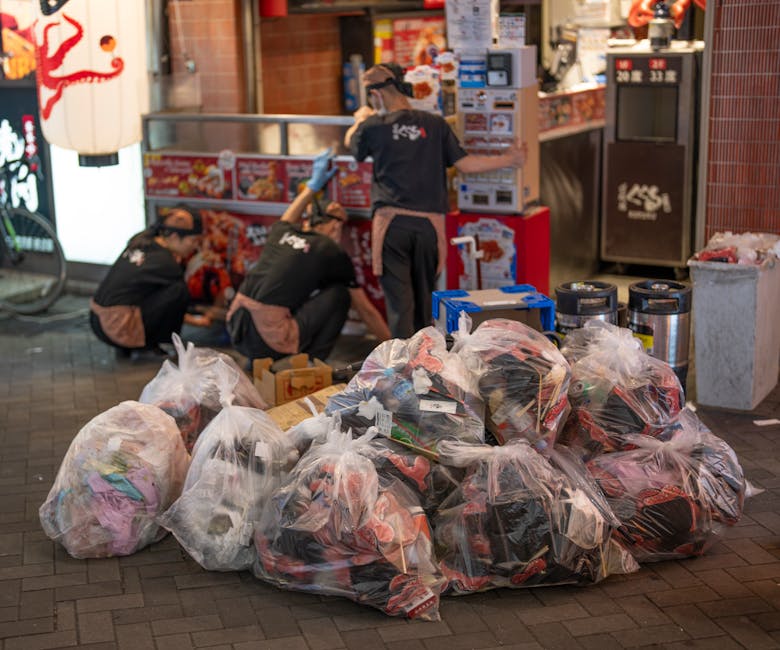
Newtown Chesham Commercial Rubbish Solutions for Shops
If you run a shop in Newtown or Chesham, rubbish has a habit of piling up quietly until it suddenly becomes the main thing in the room. Cardboard by the till. Broken display bits in the back. Old packaging, seasonal stock wrap, food waste from a cafe corner, maybe even a dead fridge humming in the storeroom for no good reason. Newtown Chesham Commercial Rubbish Solutions for Shops is really about getting that mess under control without disrupting trading, staff, or customers.
The best solutions are simple, reliable, and flexible. They keep your frontage tidy, your stockroom usable, and your business moving. And yes, they also help you avoid the awkward stuff: missed collections, overflowing bins, unnecessary costs, and the kind of clutter that makes a small shop feel even smaller. Let's face it, nobody wants to wheel sacks past customers at 9:15 on a busy morning.
This guide breaks down how shop waste removal works, what to watch out for, and how to choose a practical setup that suits your premises. If you need general help with everyday commercial waste, the broader business waste removal service is a useful starting point. For specific waste streams, you may also want to look at recycling and sustainability and, if your shop handles confidential paperwork, confidential shredding.
Table of Contents
- Why Newtown Chesham Commercial Rubbish Solutions for Shops Matters
- How Newtown Chesham Commercial Rubbish Solutions for Shops Works
- Key Benefits and Practical Advantages
- Who This Is For and When It Makes Sense
- Step-by-Step Guidance
- Expert Tips for Better Results
- Common Mistakes to Avoid
- Tools, Resources and Recommendations
- Law, Compliance, Standards, or Best Practice
- Options, Methods, or Comparison Table
- Case Study or Real-World Example
- Practical Checklist
- Conclusion
- Frequently Asked Questions
Why Newtown Chesham Commercial Rubbish Solutions for Shops Matters
Shop waste is different from domestic rubbish. There is more packaging, more frequent turnover, more mixed material, and usually less space to hide the problem. A corner shop, boutique, convenience store, takeaway, pet shop, florist, or independent grocer can all create waste that builds quickly and looks untidy very quickly too. In a retail setting, that affects more than appearance. It affects safety, hygiene, workflow, and the impression customers get before they even speak to anyone.
In practical terms, better rubbish handling means your team spends less time working around piles and more time actually serving people. That matters during deliveries, restocking, sale periods, or a seasonal push when cardboard and wrapping seem to multiply overnight. You know the feeling: one delivery comes in, then another, and suddenly the back room is basically a paper mountain. Not ideal.
There is also the local side of it. Shops in busy areas need waste plans that fit narrow access, shared yards, limited loading space, and day-to-day trading hours. A good waste solution takes all of that into account, instead of forcing you to adapt your business around bins that do not quite fit the rhythm of the shop.
Key point: the right commercial rubbish setup is not just about "getting rid of stuff". It protects presentation, keeps staff moving safely, and reduces the chance of waste becoming a constant distraction.
How Newtown Chesham Commercial Rubbish Solutions for Shops Works
At a basic level, shop rubbish solutions usually involve collecting waste from your premises, sorting it into the right stream, and taking it away for treatment, recycling, or disposal. Depending on the provider and the type of waste, that may happen as a one-off clearance or as a recurring service. In many shops, a mix of both works best.
The process often starts with a quick assessment. What are you throwing away? How much? How often? Is it mostly cardboard and soft packaging, or do you also have damaged shelving, end-of-line stock, fixtures, or waste from a refit? The answer changes the setup. A fashion boutique with garment packaging needs a different approach from a deli with food waste and chilled units, and both differ again from a hardware shop clearing broken fittings.
A proper service usually includes sorting out awkward items too. For example, old fridges, undercounter appliances, or broken display coolers need careful handling, which is why a specific service such as fridge and appliance removal can be useful when equipment reaches the end of its life. Likewise, if you are replacing worn furniture in a front-of-house retail space, furniture disposal can keep the process tidy and efficient.
Many shop owners also underestimate the value of timing. Waste removal that happens before opening, after closing, or between delivery windows can save a lot of friction. It sounds small, but a ten-minute delay at the wrong moment can mean a messy corridor, a frustrated staff member, and a customer stepping around a sack with a look that says it all.
What usually happens on collection day
- The waste is checked and separated where needed.
- Large or awkward items are safely lifted and loaded.
- Recyclables are separated from residual waste where possible.
- Any specialist items are handled using the correct process.
- The shop is left clear enough to keep trading normally.
Key Benefits and Practical Advantages
The biggest benefit is obvious: a cleaner, more manageable shop. But the real advantages go deeper than that. Once rubbish stops being a daily headache, a lot of other things improve too.
1. Better presentation. Customers notice clutter even when they do not consciously register it. Tidy stockrooms and clean service areas support the feel of the whole business.
2. Safer working space. Loose cardboard, broken packaging straps, heavy sacks, and abandoned fittings can all create trip hazards. In a busy retail environment, that is not a small issue.
3. More usable back-of-house space. Shops are often smaller than they need to be, and waste can swallow the last bit of room you have. Clearing it frees up storage and improves the daily flow.
4. Fewer interruptions. A waste plan that fits your hours reduces the need for staff to improvise. No more awkward "where do we put this now?" moments every afternoon.
5. Better handling of mixed materials. A proper service can manage packaging, old fixtures, damaged stock, metals, textiles, and specialist items in a more organised way.
There is also a quieter benefit: morale. Staff tend to work better in a place that feels looked after. It is not dramatic, just true. A cluttered back room makes every task a bit more annoying. A clear one makes the day feel manageable again.
Who This Is For and When It Makes Sense
Shop waste solutions are relevant to far more businesses than people first assume. If your business serves customers face-to-face and stores goods on-site, you are probably dealing with commercial rubbish in one form or another.
This includes:
- convenience stores and mini markets
- independent grocers and delis
- clothes shops and gift shops
- hair and beauty retailers
- pet shops
- takeaways and small food outlets
- pharmacies and health retailers
- specialist high street stores
- newsagents and small franchises
It makes sense when you are dealing with one-off events too. Think of a shop refit, a stock clearance, a sudden replacement of fixtures, a move to new premises, or a post-Christmas wave of packaging. A one-off clearance can be more practical than trying to force everything through the normal bin routine.
It also makes sense if staff are spending too much time managing waste instead of serving customers. If someone is making three trips a day to a shared bin area, or if you are storing sacks near stock because there is nowhere else to put them, the system is already costing time. Maybe not in cash, but definitely in stress.
Typical situations where a shop needs help fast
- Broken shelving or display units need removing before a new delivery arrives.
- Cardboard and wrap have built up after several back-to-back deliveries.
- A fridge, freezer, or appliance fails and needs replacing quickly.
- Old stock, damaged packaging, or returned goods must be cleared.
- The shop is being refurbished and the back room is unusable.
Step-by-Step Guidance
If you want a waste solution that actually works for your shop, keep it practical. No overthinking, but do not wing it either. A few minutes of planning saves a lot of clean-up later.
- Identify the waste types. Separate cardboard, plastics, food waste, general rubbish, broken fixtures, electrical items, and anything potentially hazardous.
- Estimate how much you generate. You do not need a spreadsheet masterpiece. Just note what fills up each week and what spikes during busy periods.
- Check your storage space. Can you keep bags and recycling neatly inside, or do they spill into customer-facing areas?
- Decide between regular or one-off collection. Ongoing waste suits steady retail operations. One-off clearances are better for refits, stock changes, or decluttering.
- Set a collection time that does not disrupt trade. Early morning, late evening, or between deliveries often works best.
- Plan for specialist items. Appliances, confidential paperwork, and potentially hazardous waste need separate handling.
- Review the outcome. After the first collection, ask what was easy, what was awkward, and what should be changed next time.
That last step matters more than people think. The first setup is rarely the final one. Shops change seasonally, and so do waste patterns. A summer promotion can generate different rubbish from winter stock rotation. A good system bends with that rather than snapping.
Expert Tips for Better Results
After years of seeing retail spaces handled in the real world, a few habits stand out. Nothing flashy. Just the stuff that keeps waste moving smoothly.
Keep cardboard flat for as long as possible. It sounds basic, because it is. Flattened cardboard takes up far less room and makes collections cleaner.
Use labelled bins or sacks. If staff know where different waste goes, you avoid the classic "everything in one bag" problem. Convenient in the moment, messy later.
Schedule clear-outs before peak trading periods. If you are about to hit a busy weekend, do not leave a cluttered stockroom to become worse. Clear it first.
Watch for hidden problem items. Broken display lights, old batteries, damaged electricals, and forgotten packaging straps often get left behind until they become a hazard.
Make one person responsible. Not forever, just enough to keep the system consistent. When everyone is responsible, nobody is.
Keep sensitive waste separate. If you deal with customer data, staff records, or paperwork that should not just be tossed into a mixed bag, a service like confidential shredding helps keep things tidy and secure.
Use a supplier with clear service information. Good operators should explain what happens, what can be taken, and how they handle recycling, safety, and payment. For a clearer picture of how a provider presents those details, look at their pricing and quotes information and insurance and safety approach.
Expert summary: The best shop waste solution is rarely the fanciest one. It is the one your team can keep using without thinking too hard about it. Simple beats clever, most days.
Common Mistakes to Avoid
Most waste problems are not dramatic. They are ordinary little mistakes repeated often. That is annoying, but also fixable.
Leaving waste until it becomes an emergency. If a clear-up only happens when the back room is full, you are always reacting instead of managing.
Mixing everything together. Mixed waste is harder to sort, harder to move, and often more expensive to deal with. It also makes recycling less effective.
Ignoring bulky items. Old cabinets, tired chairs, broken counters, and appliances can sit around for weeks because nobody wants to deal with them. Then they become part of the scenery. That is when you know you have waited too long.
Not checking access. Narrow side entries, shared corridors, loading restrictions, and stair access can all affect how collections work. If access is awkward, say so early.
Forgetting specialist waste. Fridges, solvents, certain cleaning products, or anything classed as hazardous should not be treated like ordinary rubbish. If in doubt, check carefully and use the correct disposal route, such as hazardous waste disposal.
Choosing a solution that looks cheap but causes disruption. The lowest price can be the most expensive option if staff lose time, the shop looks untidy, or collections constantly clash with trading hours.
Tools, Resources and Recommendations
You do not need much to improve shop waste handling, but the right basics help.
- Heavy-duty bins or sacks: useful for back-of-house waste that builds quickly.
- Cardboard break-down knife: handy for flattening packaging safely and neatly.
- Clear labels: keep recycling, general waste, and specialist streams easy to identify.
- Lockable storage: helpful if rubbish must wait overnight or in shared access areas.
- Collection diary: a simple note of what fills up and when.
For shops weighing up different ways to deal with waste, the what can go in a skip guide can help when you are dealing with bulkier, mixed loads. If your clear-out is more about general loading and removal than long-term bins, the broader waste removal service may be the better fit.
If your premises include office space above or behind the shop, don't overlook admin waste either. Paper records, old files, and broken office furniture often build up quietly. In that situation, office clearance can be a smart companion service.
Law, Compliance, Standards, or Best Practice
Commercial waste has to be handled properly. In the UK, businesses are generally expected to keep waste secure, pass it to an authorised carrier, and make sure it is disposed of responsibly. The details can vary depending on the type of waste and the premises involved, so it is wise to treat this as a compliance area rather than an afterthought.
For shop owners, the safest approach is usually to keep the following in mind:
- store waste in a way that avoids leakage, nuisance, or obstruction
- separate recyclable and specialist waste where practical
- keep paperwork or records related to waste collections
- handle hazardous or electrical items through the correct route
- make sure staff know the basics of safe lifting and sorting
Health and safety also matters more than many people realise. Bags left in walkways, overfilled bins, and unstable stacks of cardboard can all create avoidable problems. If your team is handling heavy loads or awkward items, it helps to choose a provider that takes safe working seriously. Their health and safety policy and modern slavery statement can be useful indicators of how they approach responsibility more broadly.
Best practice is not about paperwork for its own sake. It is about keeping your shop safe, legal, and easy to run. That's the real thing.
Options, Methods, or Comparison Table
There is more than one way to deal with shop waste, and the right choice depends on volume, item type, storage, and how much disruption you can tolerate. Here is a straightforward comparison.
| Method | Best for | Strengths | Limitations |
|---|---|---|---|
| Regular waste collection | Ongoing day-to-day rubbish | Predictable, tidy, easy for routine use | Less suited to bulky one-off items |
| One-off rubbish clearance | Refits, stock changes, and sudden clutter | Fast, flexible, clears large volumes quickly | Not always ideal for weekly waste |
| Skip-style loading | Bulk mixed material and larger projects | Good for substantial volumes | Needs space and careful planning |
| Specialist item removal | Appliances, confidential waste, hazardous items | Safer and more compliant | Requires the right provider and process |
There is no universal winner. A grocery store may need regular collections plus occasional clear-outs. A boutique might mostly need packaging removal, while a shop fitting project needs a bulk solution and possibly builders' support. For that latter kind of work, builders waste clearance can be the right fit when the shop is being renovated or stripped out.
Case Study or Real-World Example
Picture a small independent shop near the centre of Newtown Chesham. Nothing dramatic, just a busy retail unit with a tiny stockroom, seasonal displays, and deliveries arriving at unpredictable times. For months, the team had been folding some cardboard, stacking some of it, and leaving broken display packaging "for later". Later arrived all at once.
By the time they asked for help, the back room had become a maze. You had to turn sideways to get to the printer. One staff member joked that the boxes had started breeding. Fair enough - it looked like that. The main issue was not just appearance, but access. Stock replenishment was slower, the fire exit route was awkward, and staff were dragging bags through customer areas at the worst possible times.
The fix was simple. They separated cardboard from mixed waste, booked a removal slot after close of business, and cleared out one broken appliance, old fixtures, and several sacks of long-ignored packaging. The store felt bigger the next morning. Not magically bigger, obviously. But cleaner, calmer, easier to work in. That changed the day straight away.
The useful lesson here is that most retail waste problems are solvable before they become serious. You just need a process that fits the space, the hours, and the type of stock you handle.
Practical Checklist
Use this before arranging a shop waste collection or clearance:
- Have I identified all waste types, including bulky and specialist items?
- Is any waste currently blocking walkways, exits, or stock access?
- Do I know what should be recycled, shredded, or treated separately?
- Have I checked the best collection time for my trading hours?
- Is there enough access for lifting and loading?
- Have staff been told what can go in each bag or container?
- Do I need appliance removal or hazardous waste handling?
- Have I compared a one-off clearance with an ongoing service?
- Do I have pricing details and terms clear before booking?
- Will the chosen service keep disruption to a minimum?
If you can answer yes to most of those, you are already ahead of the game.
Conclusion
Newtown Chesham Commercial Rubbish Solutions for Shops is not really about rubbish, at least not only about rubbish. It is about keeping a retail business workable, tidy, and safe enough to run without constant clutter getting in the way. When the waste system fits the shop, everything feels lighter. Staff move better. Customers see a more professional space. And the back room stops acting like an extra storage unit for chaos.
The best approach is usually the one that matches your actual day, not the ideal version of it. That means choosing the right mix of regular collections, one-off clearances, recycling, and specialist item handling. It also means being realistic about space, access, and timing. Simple. Practical. Done properly.
If your shop is starting to feel boxed in by packaging, broken fittings, old stock, or general overflow, now is a good time to sort it. Small changes tend to pay off fast, and honestly, it feels better walking into a clean stockroom on a Monday morning than most people admit.
Get a free quote today and see how much you can save.
For a provider overview, you can also review the company's about us page or go straight to book online when you are ready to take the next step.
Frequently Asked Questions
What counts as commercial rubbish in a shop?
Commercial rubbish in a shop usually includes cardboard, plastic wrap, damaged stock, broken fixtures, food-related waste, old signage, and general back-of-house waste. If the item comes from business activity, it generally needs a business-appropriate disposal route rather than domestic bins.
How often should a shop arrange rubbish collection?
It depends on how much waste you generate. Busy shops may need regular collections several times a week, while smaller retailers might only need occasional clear-outs. The best setup is the one that prevents overflow without creating unnecessary visits.
Can shop waste be collected outside trading hours?
Yes, that is often the most practical option. Early morning, evening, or between delivery windows can reduce disruption and keep customers away from loading activity. Timing matters a lot in small retail spaces.
What should I do with old fridges or other appliances?
Do not leave them sitting in the stockroom. Appliances usually need separate handling, especially if they contain cooling gases or electrical components. A specific appliance removal service is the safer route.
Is recycling worth the effort for a small shop?
Usually, yes. Cardboard, packaging, and some plastics build up fast in retail. Even a simple recycling routine can reduce clutter and make collections more efficient. It does not need to be complicated to be worthwhile.
How do I know if waste is hazardous?
If it includes chemicals, solvents, certain cleaning products, contaminated materials, or anything that could pose a risk if handled incorrectly, treat it with caution. When in doubt, separate it and ask for specialist guidance before mixing it with general waste.
Can I put everything in one bag to save time?
You can, but it is rarely a good idea. Mixed waste is harder to sort and can lead to higher costs or less recycling. A little separation up front saves a lot of hassle later.
What if my shop has very limited access?
That is common, especially in older buildings or shared premises. The key is to flag narrow access, stairs, parking restrictions, or tight loading areas before collection day. A good provider will plan around that rather than trying to force the job.
Do I need to keep records of my waste disposal?
It is a good practice to keep basic records, especially for business waste collections. This helps with compliance, internal tracking, and peace of mind if you ever need to confirm how waste was handled.
How can I reduce waste in my shop in the first place?
Start with packaging discipline, smarter ordering, and staff habits. Flatten cardboard, separate reusable stock, avoid over-ordering where possible, and review what keeps ending up in the bin. Small adjustments add up more than people expect.
What is the difference between a clearance and regular waste removal?
Regular waste removal is for ongoing rubbish. A clearance is for a larger clean-up, such as a refit, stock purge, or end-of-season reset. If the waste is bulky or out of the ordinary, a clearance is usually the better choice.
Who should I speak to if I am unsure what service I need?
Start with a provider that can explain their services clearly and help you judge what fits your premises. If you want to learn more about the company background and approach, the about us page is a sensible place to begin.