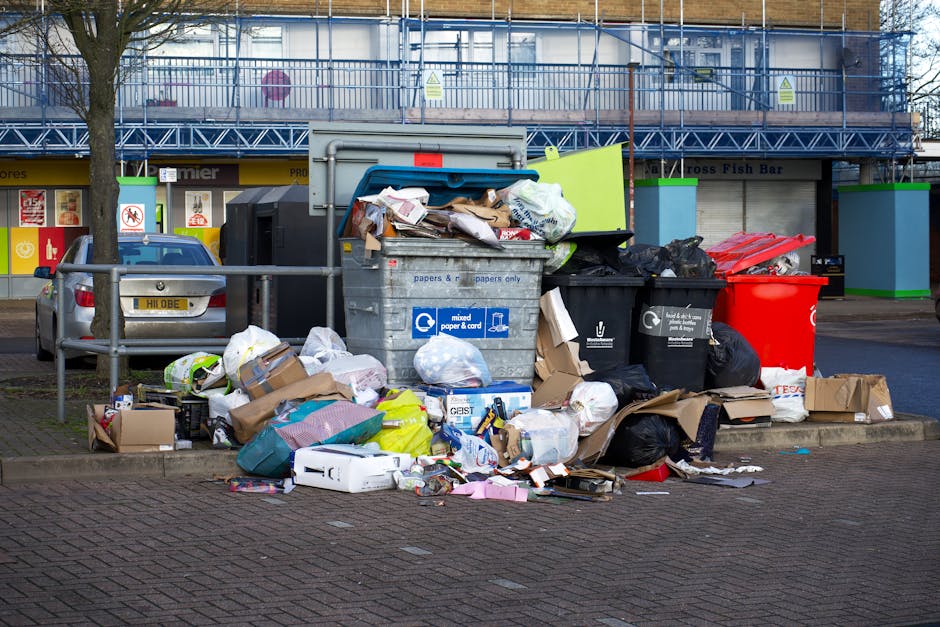
Avoid Hidden Rubbish Removal Fees in Chesham High Street

If you are trying to clear rubbish in Chesham High Street, the last thing you want is a bill that suddenly grows teeth. Hidden charges can creep in through call-out fees, restricted-item surcharges, awkward access costs, or vague pricing that sounded fine over the phone but looks very different on the invoice. This guide explains how to avoid hidden rubbish removal fees in Chesham High Street, what to check before you book, and how to compare quotes without getting caught out.
Truth be told, most bad surprises are preventable. A little preparation, a few direct questions, and a clear understanding of what a proper quote should include can save you money and a lot of frustration. And yes, it is worth asking the awkward questions up front. That is usually where the savings are hiding.
Why Avoid Hidden Rubbish Removal Fees in Chesham High Street Matters
Hidden rubbish removal fees matter because they change the whole experience from simple to stressful. A small job that should feel tidy and efficient can become the kind of chore that drags on all week. You may think you have agreed one price, only to discover extra costs for carrying items down stairs, parking near the property, splitting loads into multiple trips, or dealing with things that were not clearly discussed before collection.
In a busy street environment like Chesham High Street, those details matter even more. Access can be tight. Parking may be limited. Shared entrances, narrow hallways, flats above shops, and time restrictions can all affect the work involved. None of that is a problem in itself, but it should be reflected honestly in the quote. The issue is not extra costs existing; the issue is when they appear late, without clarity.
For residents, landlords, shop owners, and small businesses, a transparent rubbish removal service protects the budget and keeps the job moving. If you are clearing an office, a flat, a shop storage room, or a house after a renovation, you need to know what is included from the outset. That way, the price is not a moving target. Nobody enjoys that. Not in the morning, not at 4 p.m., not ever.
Expert summary: the safest approach is to ask for a written, itemised quote, describe the waste honestly, and confirm whether access, labour, loading time, or special items might change the final cost. Clear pricing is not a luxury; it is basic good service.
How Avoid Hidden Rubbish Removal Fees in Chesham High Street Works
The process is straightforward once you know what to look for. Hidden-fee avoidance is really about comparing apples with apples. One company may quote a lower headline price but exclude labour, VAT, or disposal of certain items. Another may quote slightly more, but include everything needed to complete the job cleanly and legally. The second option often ends up being better value.
Start with the waste itself. Is it light household rubbish, heavy builders' rubble, bulky furniture, mixed junk, or a combination? The type of waste affects loading time, vehicle space, and disposal routes. A sofa is not the same as a bag of paper waste, and a broken fridge is not treated the same way as garden cuttings. If you know what needs removing, a provider can price it more accurately.
Then think about access. Can a van stop close by? Is there a lift? Will items need to be carried down several flights of stairs? Is the waste in the rear garden or tucked in a loft? These details matter because the physical work changes. To be fair, that is one of the few times where a higher fee can be perfectly reasonable, as long as it is explained before the job starts.
Finally, confirm the terms. A clear service should spell out what happens if the load changes on arrival, whether there are minimum charges, whether there is a congestion or parking issue, and how special items are handled. If a quote sounds vague, it probably is. Ask for the boring details. That is where the savings live.
Key Benefits and Practical Advantages
A transparent rubbish removal booking gives you more than a cleaner space. It gives you certainty, and that is worth a lot when you are dealing with deadlines, tenants, tradespeople, or customers coming in and out of a property.
- Better budgeting: you know what you will pay before the work begins, which makes planning much easier.
- Fewer disputes: clear pricing reduces the chance of awkward conversations at the end of the job.
- Faster decisions: once the scope is clear, you can book the right service without second-guessing.
- Less disruption: no back-and-forth over unexpected labour or access charges on the day.
- More confidence: you can compare providers based on real value rather than a low starting number.
There is another benefit people often miss: transparency usually reflects the way a company handles the rest of the job. A provider that is careful with pricing is often more careful with communication, safety, and disposal too. That does not make every transparent company perfect, of course, but it is a good sign. And in this line of work, signs matter.
If you are weighing up services for larger clearances, it can also help to review related options such as waste removal and broader property clearance pages like home clearance or office clearance. Those pages can help you match the service to the actual job, which is half the battle.
Who This Is For and When It Makes Sense
This matters to anyone who wants rubbish removed without nasty surprises. That sounds obvious, but the real world is a bit messier. A homeowner clearing a garage, a landlord turning over a flat, a builder finishing a small renovation, and a shop owner moving stock out of storage all face slightly different risks when it comes to hidden charges.
You will probably benefit most if you are:
- clearing bulky household waste after a move
- disposing of unwanted furniture, appliances, or mixed junk
- managing a rental property between tenants
- dealing with builder's waste from a small project
- empting an office store room or back room
- sorting a loft, garage, or shed with a lot of mixed items
Hidden fees tend to show up most often when the job is not fully described. Maybe the customer says "a few bits" and the van arrives to find three wardrobes, old tiles, a broken mattress, and a pile of bags in the back garden. In that situation, a fair adjustment may be needed. But fair is the key word there. Not mysterious. Not inflated. Just fair.
For awkward furniture or specialist items, it can help to read service information such as furniture disposal, mattress and sofa disposal, or fridge and appliance removal so you understand what may affect the price.
Step-by-Step Guidance
If you want to avoid hidden rubbish removal fees in Chesham High Street, work through the process in order. Skipping a step usually means paying for it later. Sometimes literally.
- List everything that needs removing. Include bulky items, broken pieces, bags, scrap material, and anything stored in a loft, shed, or rear yard.
- Photograph the waste from a few angles. Pictures help a provider judge volume, access, and loading effort more accurately.
- Describe access clearly. Mention stairs, narrow hallways, lift access, parking distance, locked gates, and time restrictions.
- Ask what the quote includes. Labour, disposal, VAT, loading time, waiting time, and any additional fees should be explained.
- Check whether certain items cost more. Appliances, mattresses, hazardous items, and mixed construction waste can change the pricing.
- Confirm the booking terms in writing. That could be an email, a booking summary, or clear online terms. You want something you can refer back to.
- Recheck the load before collection day. If more waste has appeared, tell the provider before they arrive.
- Ask for a final price check on arrival if the load has changed. A reputable company should explain any variation before work begins.
A small practical note: if the waste is in several locations, say so. "Three bags in the front room, two in the basement, old shelving in the garden" is much better than "a general clear-out." It sounds simple, but it helps a lot. Really, a lot.
For bigger clearances, you might also compare options with builders waste clearance or house clearance. The more accurately the job is categorised, the lower the chance of a price surprise.
Expert Tips for Better Results
After enough clearances, the same patterns show up again and again. The people who avoid hidden costs usually do a few small things well.
Be specific, not vague
"A few bits" is not a useful description. "One sofa, one broken wardrobe, six bags of mixed household waste, and two small shelves" is much better. Specificity makes pricing easier and reduces room for dispute.
Ask about the awkward bits first
Special items are often where extra charges appear. Fridges, freezers, large appliances, mattresses, and anything potentially hazardous should be discussed early. If you are unsure, ask. That is not being difficult. That is being sensible.
Watch for minimum charges
Some companies have a minimum collection fee, even for very small loads. That is not necessarily bad value, but it should be clear. A tiny job with a minimum charge can still make sense if the alternative is waiting around for a skip or making multiple trips yourself.
Confirm whether VAT is included
One of the oldest tricks in the book is a quote that looks good until tax is added. If a price is quoted, check whether it is inclusive or exclusive. Simple enough, but easy to miss when you are in a hurry.
Think in terms of total value
A cheaper quote can be worse if it excludes labour, loading, and disposal. A slightly higher quote that includes everything may be better value in the end. The cheapest option is not always the cheapest. Annoying, but true.
It can also be worth checking practical details such as pricing and quotes, payment and security, and insurance and safety so you understand how the service is structured before you book.
Common Mistakes to Avoid
Most hidden-fee problems start with a rushed booking. Nothing dramatic. Just a few assumptions stacking up.
- Choosing only by headline price: the lowest number is not always the best deal.
- Not mentioning access issues: stairs, distance from the van, or gated access can change the job.
- Forgetting special items: mattresses, appliances, or construction waste may carry extra handling or disposal costs.
- Assuming "all inclusive" means everything: ask what the phrase actually covers.
- Leaving a full briefing until the day of collection: that is when extra charges are most likely to appear.
- Ignoring the terms: yes, the fine print is dull. But it matters.
One common mistake is underestimating volume. A garage full of old furniture can look smaller than it really is until it is stacked, sorted, and ready to move. You stand there at 8 a.m., mug in hand, and suddenly it looks like a different planet. A quote based on guesswork rarely stays comfortable for long.
Another slip-up is assuming one provider can take everything. Some waste needs separate handling, especially if it falls into categories that need specialist disposal. If you are dealing with anything unusual, it is better to say so early and check a dedicated service page such as hazardous waste disposal rather than discovering the issue on arrival.
Tools, Resources and Recommendations
You do not need fancy software to avoid hidden rubbish removal fees. A phone, a notepad, and a few good habits usually do the job. Still, a small system helps.
- Photo log: take clear images of all waste piles before booking and again before collection.
- Room-by-room list: useful for home, flat, and office clearances where waste is spread out.
- Measurement estimate: rough dimensions of large items can help pricing accuracy.
- Access notes: record whether items are upstairs, in the garden, or behind a locked entrance.
- Written quote folder: keep emails or booking confirmations together so you can check what was agreed.
For wider property jobs, related pages like flat clearance, garage clearance, loft clearance, and garden clearance can help you decide which service type fits your situation best. That matters more than people think. Choosing the right service usually makes pricing cleaner from the start.
Practical recommendation: if a provider will not explain the price in plain English, keep looking. Good service should be easy to understand even if the job itself is messy.
Law, Compliance, Standards, or Best Practice
When rubbish is collected, there is more going on than a van turning up and leaving with a full load. In the UK, waste handling has compliance expectations around safe transport, lawful disposal, and sensible separation of certain materials. You do not need to become an expert in waste law to make a smart booking, but it helps to know the basics.
Best practice means the provider should be clear about what they can take, how they handle restricted or specialist items, and what happens if the load changes. If a job involves electrical items, appliances, confidential material, or waste that may need special treatment, the service should be able to explain the process plainly. That is a trust signal. A strong one.
For businesses, the standards are even more important. Office clearances, shop waste, and commercial rubbish often need more care around data, safety, and consistent handling. If you are clearing paper records or sensitive material, a service like confidential shredding may be worth considering. That is not about overcomplicating things; it is about doing them properly.
It is also good practice to check the provider's policies where relevant. Pages such as health and safety policy, modern slavery statement, and recycling and sustainability give you a better sense of how the company operates beyond the booking page. That can be reassuring, and frankly, it should be.
Options, Methods, or Comparison Table
There are usually three ways people deal with rubbish on Chesham High Street: book a rubbish removal service, hire a skip, or try to move the waste themselves. Each has its place. The best choice depends on volume, access, time, and how much lifting you want to do. Which, let's face it, is often the real question.
| Option | Best for | Common fee risks | Why people choose it |
|---|---|---|---|
| Rubbish removal service | Mixed loads, bulky items, fast clear-outs | Labour extras, access charges, special-item surcharges | Convenience and quicker turnaround |
| Skip hire | Ongoing projects, large quantities of consistent waste | Permit issues, overfilling, prohibited items | Good for staged work and builder's jobs |
| Self-removal | Very small loads, people with transport and time | Fuel, tip charges, time costs, vehicle wear | Can work for simple, low-volume jobs |
If you are unsure whether a skip or a removal team is better, pages like what can go in a skip can be a useful reference point. It helps you avoid paying for the wrong solution. That sounds obvious, but plenty of people get caught there.
Case Study or Real-World Example
Here is a realistic example. A small business on Chesham High Street needs to clear a back room used for storage. The room holds broken shelving, a few office chairs, mixed cardboard, a dismantled desk, and some old display items. The owner wants the space cleared before a delivery arrives the next morning. Fair enough.
At first, the owner asks for "a quick removal." That might produce a vague quote and a vague outcome. Instead, they take photos, list the items, and mention that access is through a rear passage with a short carry distance and one set of steps. They also point out that one item is a fridge that is no longer working. That one detail matters.
The provider can now give a more accurate price. There is less room for disagreement, and the customer knows in advance that the appliance may affect the final figure. On collection day, the job runs smoothly because everyone is on the same page. No drama, no crossed wires, no awkward standing about while someone "checks with the office."
The lesson is simple: precise information leads to cleaner pricing. Not perfect pricing, because life is rarely that neat, but cleaner. And cleaner is usually enough to avoid hidden fees.
Practical Checklist
Use this checklist before you book rubbish removal in Chesham High Street:
- Have I listed every item that needs removing?
- Have I included photos of the waste and the access route?
- Have I explained stairs, lifts, parking, gates, and carry distance?
- Do I know whether VAT is included in the quote?
- Have I asked about minimum charges or call-out fees?
- Have I mentioned mattresses, appliances, or other special items?
- Do I understand what happens if the load is bigger than expected?
- Have I checked the terms before I book?
- Do I have the quote in writing?
- Have I chosen the right service type for the job?
Quick takeaway: the better you describe the job, the less likely you are to face a surprise bill. Simple rule. Still the best one.
Get a free quote today and see how much you can save.
Conclusion
Avoiding hidden rubbish removal fees in Chesham High Street is mostly about clarity. Clear waste description. Clear access details. Clear pricing terms. If you handle those three things well, the whole process becomes much easier and much more predictable.
The best services are the ones that make pricing feel calm rather than complicated. They explain what is included, they flag anything unusual early, and they do not rely on fine print to make the final bill add up. That is the standard worth looking for.
If you are planning a clearance soon, take five minutes to gather photos, write down the awkward details, and compare quotes properly. It is a small bit of effort, but it pays back fast. And once the space is clear, you do get that nice feeling of breathing room again. That part never gets old.
Frequently Asked Questions
How do I avoid hidden rubbish removal fees in Chesham High Street?
Ask for a written quote, describe the waste accurately, mention access issues, and confirm whether VAT, labour, and special-item charges are included. Clarity up front is the best protection.
What fees are most likely to appear unexpectedly?
Common surprise charges include access difficulties, extra labour time, minimum call-out fees, disposal of special items, and costs for loads that are larger than originally described.
Is the cheapest quote usually the best option?
Not always. A very low quote may exclude important parts of the job. A slightly higher quote that includes labour, disposal, and VAT can be better value overall.
Should I send photos before getting a quote?
Yes, if possible. Photos help the provider judge the volume, type of waste, and access conditions. That usually leads to a more accurate price.
Do staircases and tight access really affect the price?
They can. Carry distance, stairs, parking, and awkward access all affect the amount of labour involved. It is reasonable for that to be reflected in the quote if it was explained in advance.
What if I only have a small amount of rubbish?
Small loads may still have a minimum charge, so ask about that early. Sometimes a small, transparent collection is still more convenient than trying to dispose of items yourself.
Are appliances and mattresses more expensive to remove?
They can be, because they often need separate handling or disposal arrangements. It is best to mention them before booking so there are no surprises on the day.
Can I change the load after I have booked?
Usually yes, but tell the provider as soon as you can. If the amount or type of waste changes, the price may need to be reviewed before collection.
Why does written confirmation matter so much?
It gives you a record of what was agreed. If there is any confusion later, you can check the details rather than relying on memory. That is always safer.
What should a trustworthy rubbish removal service explain clearly?
They should explain what is included, what could cost extra, how they handle restricted items, and how pricing changes if the job turns out to be bigger than expected.
Is rubbish removal better than skip hire for avoiding hidden fees?
It depends on the job. Rubbish removal is often easier for mixed loads and awkward access. Skip hire can work well for ongoing projects, but it brings its own rules and risks. Choose the method that fits the waste, not just the one that looks cheapest.
What is the safest next step if I want a clear price?
Gather photos, list all items, note access details, and request a transparent quote. If you need to compare service options, pages like pricing and quotes and book online can help you move forward confidently.